Tag: worksheets for kids
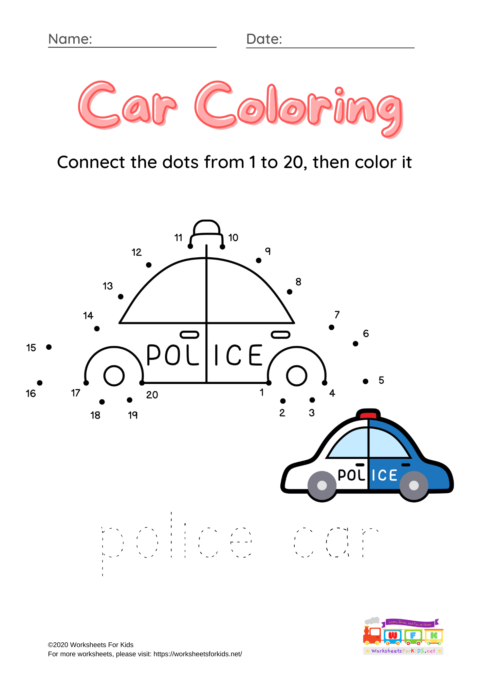
32. Coloring: Car
Help these toys car get ready for a show. They need some bright colors, so you can burst out your…
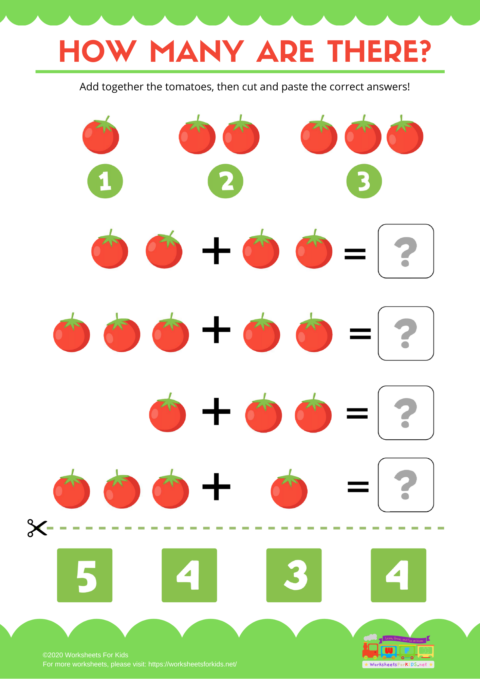
24. Cut and Paste Counting: Tomato
Tomatoes are fruits that contain lots of water and essential nutrients for our body. A single tomato can provide about…
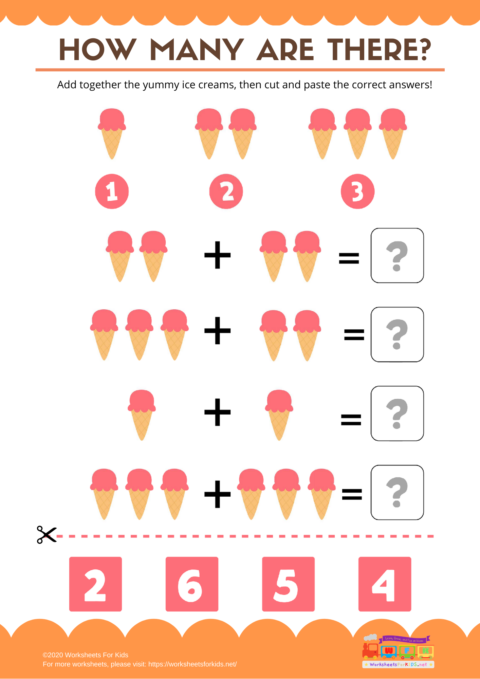
23. Cut and Paste Counting: Ice Cream
Do you like ice cream? Can you count how many ice creams are there? Learning math and counting will be…
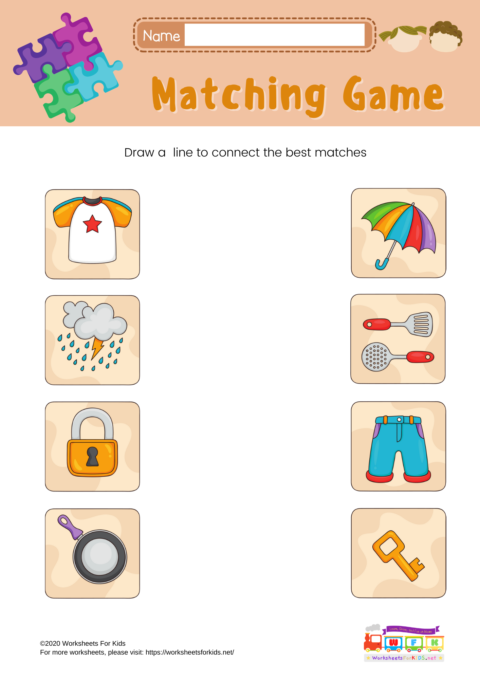
22. Matching Game (Part 1)
In this worksheet, your kids will be asked to identify the objects and then draw a line to connect the…
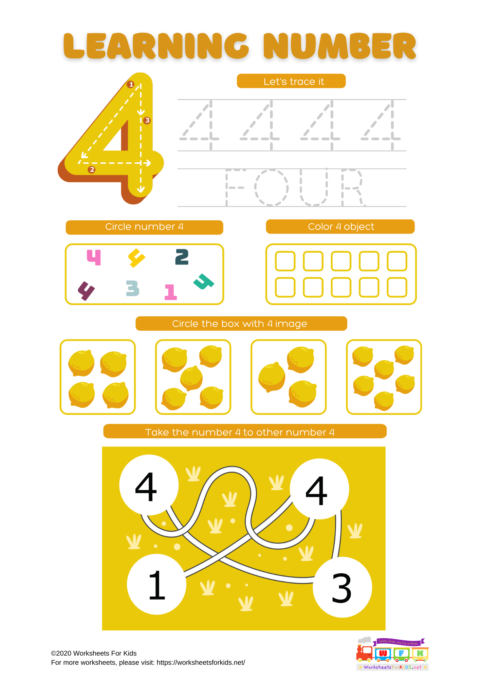
18. Writing Numbers: Number 4
It’s time to harvest the mangoes! How many mangoes do you see? Yes, it is four mangoes. This worksheets offers…
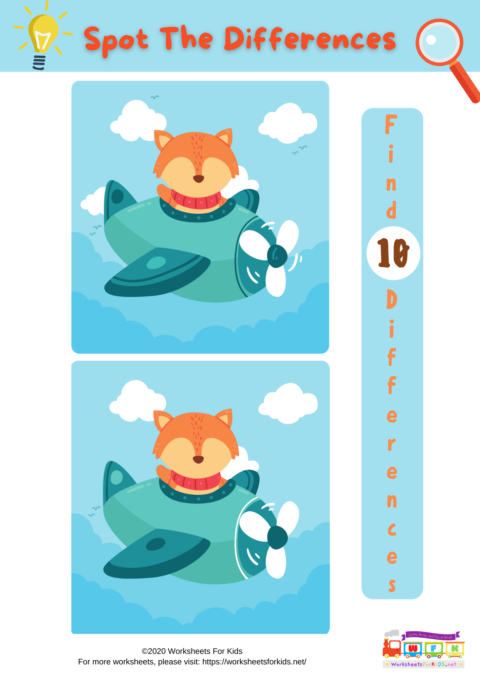
17. Spot The Difference: Airplane
Hello! Look at these pictures. These airplanes scenes look awfully similar, but there are slight differences between the two. Can your…
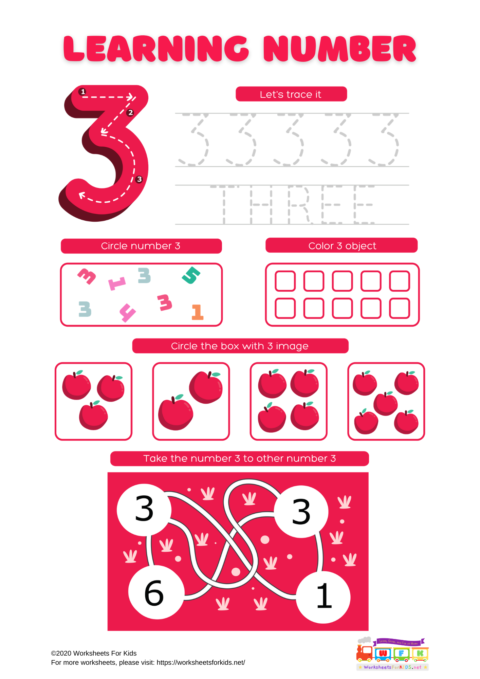
15. Writing Numbers: Number 3
It’s a worksheet number again! On page one, your kids have to trace the number 3 several times, then practice…
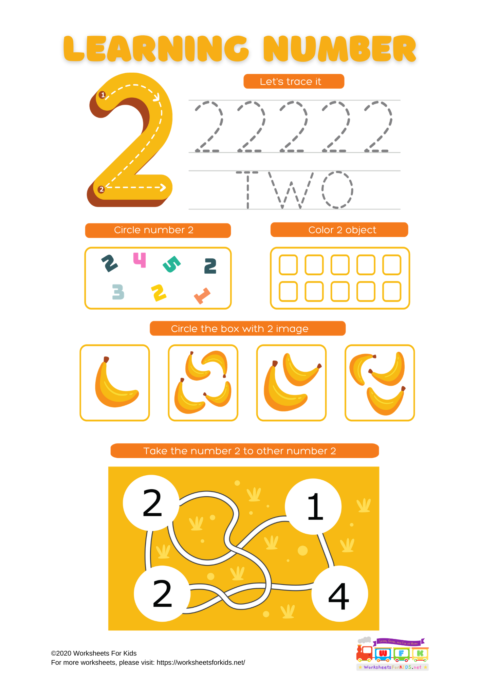
12. Writing Numbers: Number 2
Are you ready to teach your kids to write number again? When it comes to writing, practice makes perfect! Noted….
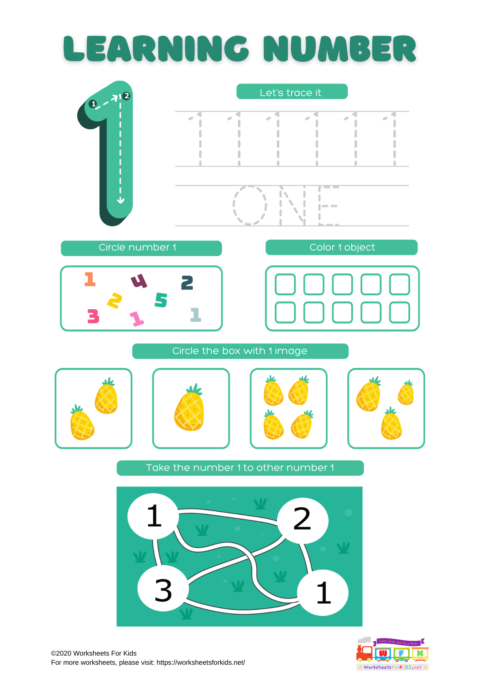
11. Writing Numbers: Number 1
Did your kids learn about number? Let’s teach your preschool to learn about numbers. I will give you some math…
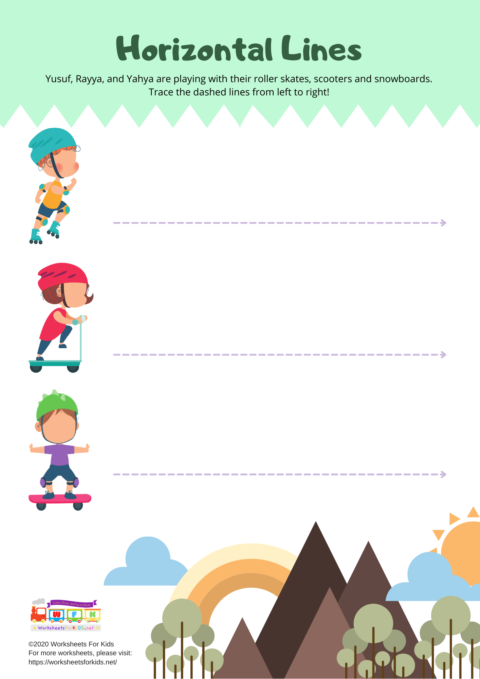
6. Tracing Lines – Horizontal (Part 3)
What are these kids doing? Let’s help by tracing the dashed line from left to right. This printable worksheet will…
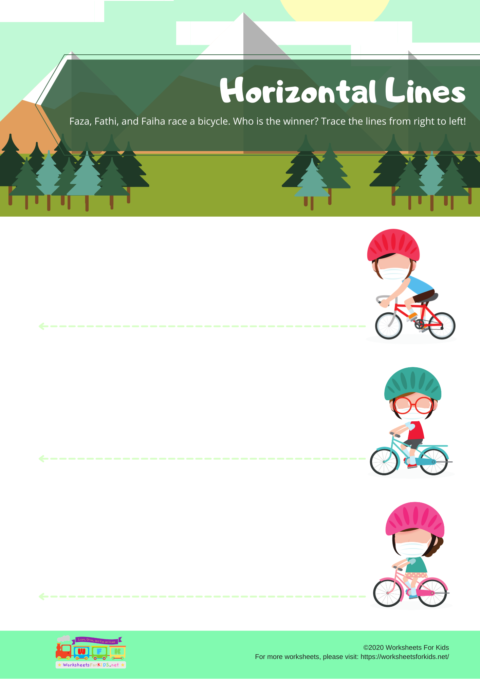
5. Tracing Lines – Horizontal (Part 2)
Help your children to develop their pencil control skills which will be helpful when they begins writing their letters. This worksheet…
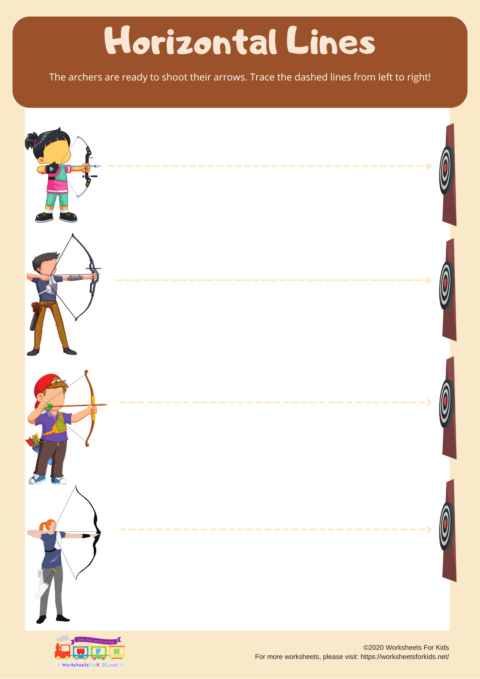
4. Tracing Lines – Horizontal (Part 1)
Does your child like archery? Archery has many benefits for kids, including confidence building and improved focus. Just by practicing archery,…